When sourcing commercial fishing pliers, selecting the right raw material dictates performance, durability, corrosion resistance, and price positioning in the retail market. The two most popular materials used today are Stainless Steel and Aluminum Alloy.
Understanding the differences between these materials helps you choose the optimal configuration for your target customers.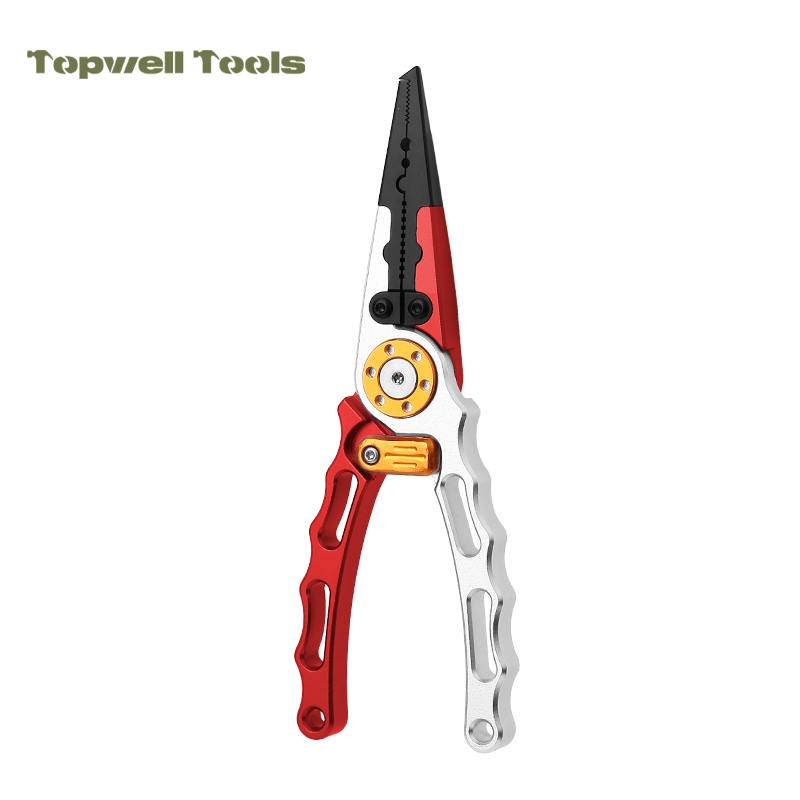
1. Stainless Steel Fishing Pliers: Strength & Saltwater Durability
Stainless steel (such as 420 or 440 grades) is renowned for high structural strength, excellent cutting power, and long-term durability.
● Pros: High leverage for heavy cutting, resistance to bending under high load, excellent wear resistance.
● Cons: Heavier weight compared to aluminum; requires proper anti-corrosion coating (Teflon or titanium coating) for intensive saltwater use.
● Best For: Heavy-duty saltwater fishing, wire cutting, and professional angler gear.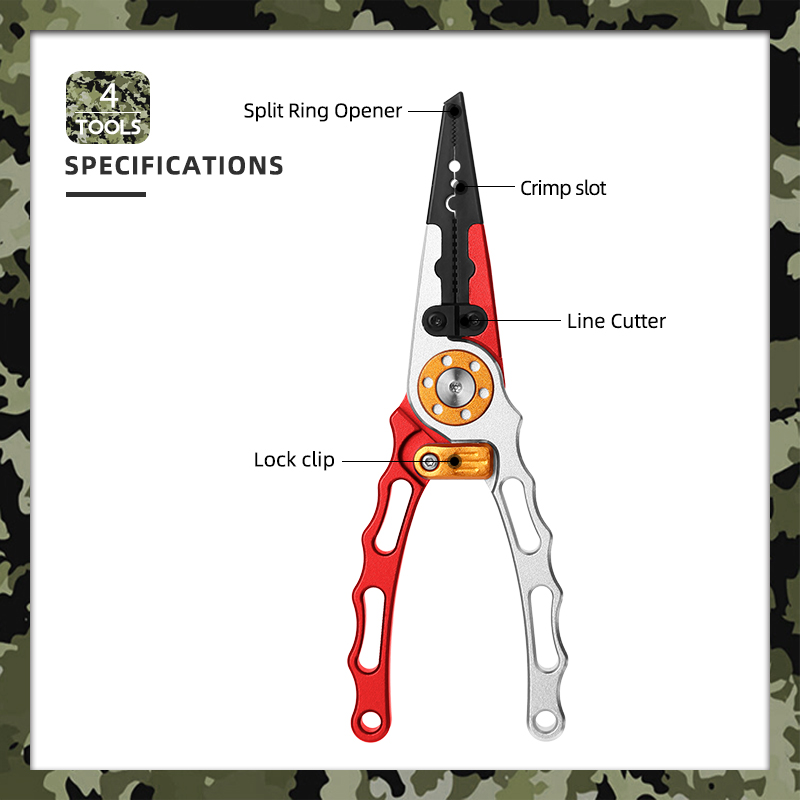
2. Aluminum Alloy Fishing Pliers: Lightweight & Corrosion Proof
Anodized aircraft-grade aluminum is lightweight and naturally resistant to rust and corrosion.
● Pros: Ultra-lightweight for all-day comfort, vibrant color customization via anodization, 100% rustproof body.
● Cons: Lower mechanical hardness compared to steel; usually requires replaceable tungsten carbide cutters for braid line slicing.
● Best For: Inshore/kayak fishing, EDC fishing tackle, and premium lightweight gear lines.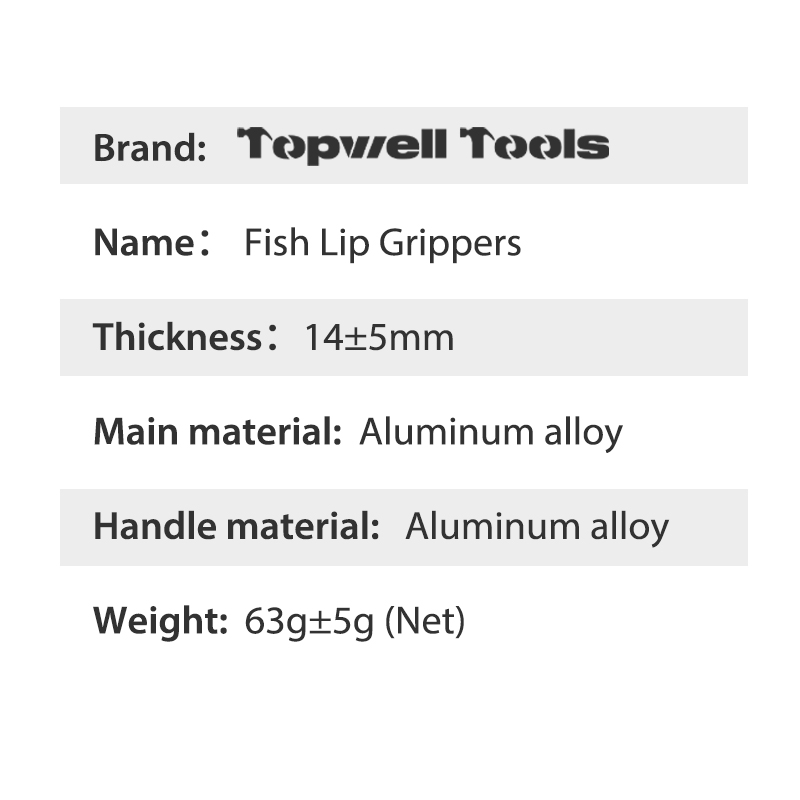
Looking for Custom Fishing Tools? Topwell manufactures both stainless steel and aluminum fishing pliers with custom jaws, cutters, logos, and lanyards.